Ever wondered why property owners in California sometimes get paid when their land is damaged, even if the government didn’t mean to cause it? That’s all thanks to a legal rule called California inverse condemnation. If you’re a property owner, understanding how this process works can make a big difference in what you might recover when disaster strikes. Here’s what you need to know, how it leads to real-world results, and why it matters for you.
What Is California Inverse Condemnation?
Let’s start with the basics. Inverse condemnation is a legal right that lets property owners ask for compensation when the government (or, in some cases, utilities) damages their property, even if no formal takeover happens. In California, this rule is based on the state constitution, which says property owners must be paid if their property is taken or damaged for public use.
Picture this: A city builds a new road, but the construction changes the natural flow of water and causes flooding on your land. Even if the city didn’t mean for any harm, California law might require them to pay you for the damage. That’s California inverse condemnation in action. It’s a bit like eminent domain, but with a twist. Instead of the government coming to you first and offering payment, you’re the one who starts the process after the harm has already happened. It’s called “inverse” because you flip the usual order of things.
Inverse condemnation doesn’t just apply to classic cases like roads or bridges, either. It can come into play with all sorts of public work, think water lines, sewage systems, power lines, or even parks. If a government project or utility causes damage or reduces your property’s value, this legal tool is designed to help you recover what you’ve lost.
Why Does Inverse Condemnation Matter?
Inverse condemnation isn’t just legal jargon or a technicality. It has real, measurable effects on people’s lives. For property owners, it means you have a powerful tool if your land is affected by public projects or government actions. Instead of just hoping for the best or relying on the government to offer help, you can actually demand compensation, and the law backs you up if the facts are on your side.
This rule also shapes how cities, counties, and utilities plan their work. Knowing they might have to pay for damages, they’re often more careful in their planning and maintenance. For example, a city might invest in better drainage around a new development or a utility might inspect their power lines more often. These steps don’t just protect property owners, they can prevent problems before they start, which is good for everyone.
Inverse condemnation also creates clearer expectations for everyone involved. If you’re a property owner, you know there’s a pathway if something goes wrong. If you’re a city or utility, you know there are standards you’ll need to meet. This balance is meant to encourage fairness and responsible growth.
How Does the Process Work?
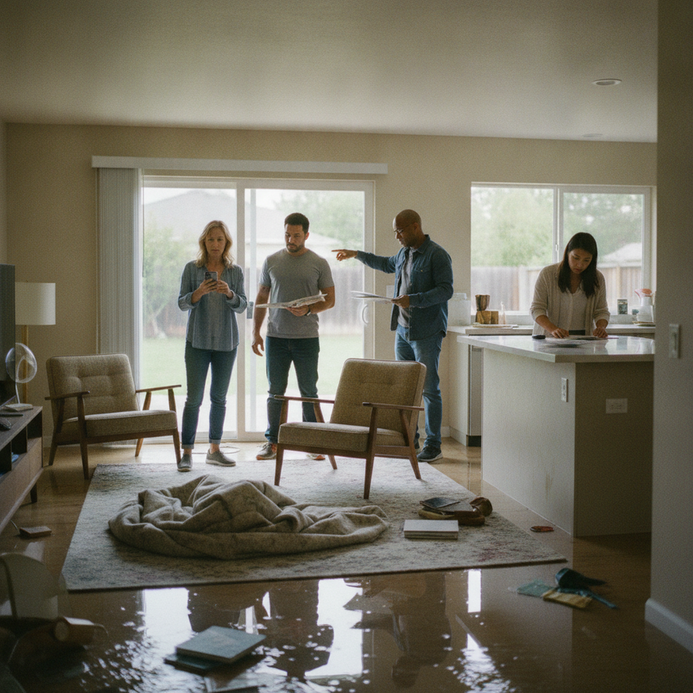
If you think your property has been damaged by a public project, here’s what usually happens:
- You notice the damage, maybe it’s water where it shouldn’t be, a fire, or even a loss of road access to your property.
- You gather evidence. This could be photos of the damage, repair estimates, home inspection reports, and records showing what changed. For example, if a new road blocks your driveway, a before-and-after map or photo can help make your case.
- You make a claim to the government agency or utility involved. Sometimes, this is a formal written claim. Other times, it starts with a call or email to the right department.
- If they deny your claim or don’t pay enough, you may need to file a lawsuit. This step usually gets the attention of the agency or utility, and sometimes leads to negotiations or mediation.
California inverse condemnation cases often end up in court, where a judge or jury decides if the government’s action was really the cause and how much you should be paid. These cases look closely at the facts, what happened, how it damaged your property, and what it will cost to fix or replace. Lawyers and experts might get involved to explain things like how water flows changed or how much property value dropped.
It’s not always a quick process. Sometimes these cases settle before trial, but others take longer. Courts want to make sure both sides are heard and the facts are clear before anyone gets paid, or not.
Real-World Examples: From Wildfires to Floods
You might be asking, does this really work? The answer is yes, and it’s led to some major results in California.
Take wildfires, for example. In the last decade, several huge fires were traced back to faulty power lines. Homeowners and businesses who lost their homes or property sued the utilities under inverse condemnation. Even though the utilities didn’t set the fires on purpose, courts found that because their equipment started the fires, they were responsible for the damage. This led to settlements worth hundreds of millions of dollars, helping families rebuild homes, replace lost belongings, and restore communities. Some insurance companies even joined the lawsuits to recover what they’d paid out to policyholders.
Flooding is another common example. Imagine a city builds a new storm drain system, but it’s poorly designed or not maintained. A big rainstorm hits and your basement floods, even though your home never had water issues before. In cases like these, California courts have found cities responsible for the damages because their project caused the problem. This has meant real money for repairs, new appliances, and sometimes even temporary housing while work is done.
There are also cases involving road construction. Say a new overpass goes up and suddenly your small business loses most of its foot traffic because customers can’t access your lot easily. Business owners have used inverse condemnation to get compensated for lost income and property value.
These cases show that inverse condemnation isn’t just a legal idea. It’s a practical way for people to recover real losses, and sometimes, it prompts cities and utilities to change how they do things to avoid problems in the future.
Why Outcomes Are Measurable (and Matter to You)
What do we mean by “measurable outcomes”? Inverse condemnation isn’t just about legal wins, it leads to real changes that you can count and see.
- Compensation paid to property owners. Settlements and jury awards put actual dollars in the hands of people who suffered losses. For example, after the 2018 wildfires, families and businesses received financial help to rebuild homes, replant orchards, and reopen shops. Sometimes it covers repairs, but it can also include lost income, decreased property value, or costs of relocation.
- Better planning and safer infrastructure. Knowing they could be held responsible, cities and utilities often invest more in regular inspections, safer equipment, and updated emergency plans. For instance, utilities might trim trees near power lines more often or install newer fire-resistant materials. Cities may update old drainage systems or make sure construction won’t block natural water flows.