Ever wondered what happens when a government project damages your property, but they never asked for your permission? In California, inverse condemnation laws give property owners a way to fight back and get paid for real losses. Understanding California inverse condemnation damages can make all the difference if you find yourself in this situation. In this article, you’ll learn what inverse condemnation is, how damages are calculated, and how these claims can change outcomes for property owners across the state.
What Is Inverse Condemnation in California?
Inverse condemnation is a legal tool that lets property owners demand fair compensation when the government damages or takes their property without following the usual rules. Normally, if a city or state agency wants to use your property for something like a road or a power line, they have to go through a process called eminent domain. But sometimes, damage happens without any official notice or offer.
In California, if government actions directly harm your land, say, flooding from a public works project or vibrations from nearby construction, you can file an inverse condemnation claim. This process recognizes that property owners shouldn’t bear the costs for public improvements. It’s rooted in the California Constitution, which promises that private property can’t be taken or damaged for public use without just compensation.
This right is unique to California and a few other states. Not every state gives property owners such strong protection for both takings and damages. Here, “damaged” means more than just physically removing your land. Even if your home is still standing, if its value drops because of a government project, you may have a case.
How Damages Are Determined in Inverse Condemnation Cases
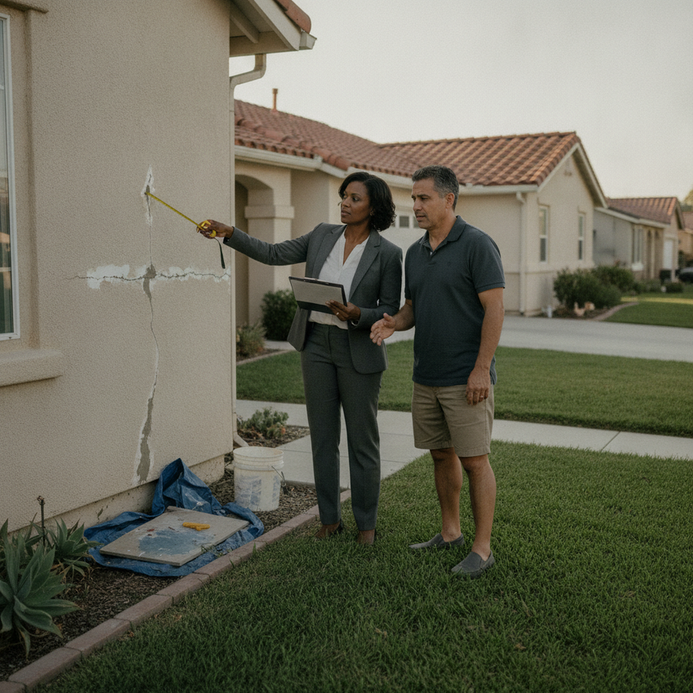
So how does the court decide what you should be paid? California inverse condemnation damages are designed to put you back in the position you would have been if the damage had never happened. The court looks at several factors to figure out how much you lost.
Typically, damages are based on the difference between your property’s value before and after the government’s action. If your house was worth $600,000 and now, thanks to a new freeway, it’s worth $500,000, the damage is $100,000. Sometimes, the government may need to pay for repairs, lost rental income, or other costs tied to the damage.
There are a few types of compensation you might see in these cases:
- Diminished property value: The most common type, where your land is worth less now because of the government project.
- Cost to repair: If the damage can be fixed, courts may award the money needed to restore your property.
- Loss of use or income: If you rent your property or run a business, lost earnings caused by the damage can sometimes be included.
- Incidental damages: In some cases, you may be compensated for extra costs like moving, cleaning up debris, or making your property usable again.
These cases often require expert testimony from appraisers and engineers. They look at everything from property sales in your area to physical changes caused by the project. Experts might compare your property to similar homes that weren’t affected, check local real estate trends, or measure things like noise, dust, or flooding. The process is thorough, and getting the right evidence is key.
Courts also consider whether the government acted reasonably. If the agency took steps to lessen the impact and the damage was truly unavoidable, it might affect what you receive. But if the harm could have been prevented with better planning, damages are more likely to be awarded.
Common Situations Leading to Inverse Condemnation Claims
You might be surprised how many ways government projects can harm private property. Here are a few common scenarios in California:
- Flooding: If a new storm drain redirects water onto your land, causing flooding, that’s a classic example. For instance, homeowners in a valley might see their yards and basements flood after the city installs new drainage pipes that can’t handle heavy rain.
- Noise and vibration: Construction of public transit lines or highways can cause ongoing noise or shaking that lowers your home’s value. Think of a new light rail line running just a few feet from a backyard. The constant rumble could crack walls, shake windows, and drive away buyers.
- Utilities: Installation of power lines or pipelines that limit how you can use your property. If a tall transmission tower goes up right behind your house, it could reduce privacy, create safety concerns, or even lower your resale price.
- Access issues: Road changes that cut off or reduce access to your business or home. Imagine owning a small shop that used to be on a busy street, but a new bypass diverts traffic and makes it hard for customers to reach you.
In each of these situations, California law gives you the right to ask for compensation. The key is showing that the government action directly caused the loss. Courts don’t require the harm to be intentional, just that it was a predictable result of the public project.
Real Examples: How Inverse Condemnation Damages Drive Change
These cases aren’t just about money, they can drive real change in how public projects are designed and managed. For example, when multiple homeowners in a neighborhood win damages for flooding caused by a poorly planned drainage project, it sends a message to local agencies. They start paying closer attention to potential impacts before breaking ground.
One well-known case involved California homeowners who suffered property damage from wildfire sparks traced to malfunctioning utility equipment. The resulting damages awarded to those property owners led major utilities to rethink safety protocols, change how they maintain equipment, and even update insurance practices. For example, after significant wildfire-related payouts, utilities began investing more in equipment inspections, tree trimming, and public safety shutoffs to reduce fire risk.
In another case, a group of business owners near a new highway project joined together after road closures slashed their customer traffic. Their successful claim not only led to a financial settlement for lost revenue but also pushed the city to provide better signage and temporary access routes for future projects. This helped protect other businesses from similar harm down the road.
In other cases, successful claims have helped improve compensation offers in future eminent domain proceedings. When agencies know they could be held responsible for inverse condemnation damages, they’re more likely to negotiate fairly up front. This can mean faster settlements and less stress for property owners facing new projects in their neighborhoods.
The Process for Pursuing Inverse Condemnation Damages
If you think your property has been damaged by a government project, what should you do? Here’s a general outline of the steps involved:
- Document the damage: Take photos, keep records, and note when the problem started. It’s helpful to have before-and-after pictures, repair bills, and written accounts from neighbors.
- Consult experts: You may need an appraiser or engineer to confirm the cause and value of your loss. If flooding is the issue, a civil engineer might review public works plans to show how water flow changed.