Ever wondered if someone else has the right to use a part of your property? If you own a home or piece of land, you might run into something called an easement. Understanding easement rights property owner protections isn’t just for lawyers. In this guide, you’ll learn what an easement is, how it affects you, and what steps you can take to protect your property. We’ll also cover the basics of utility easement law and answer common questions, all in plain language.
What Is an Easement?
An easement is a legal right for someone else to use a specific part of your property for a particular purpose. That doesn’t mean they own your land, they just get to use it in a certain way. Easements are common, especially in neighborhoods, cities, and rural areas where utilities and access roads cross private land.
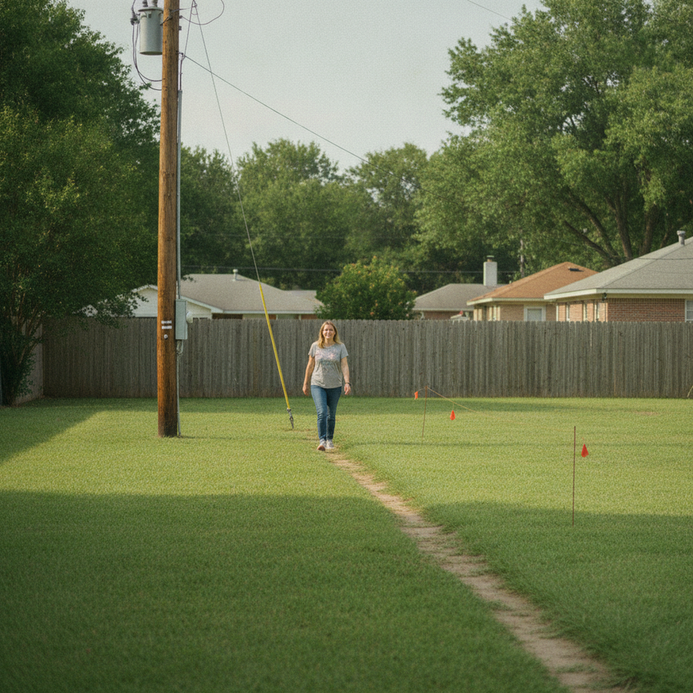
For example, a power company might have an easement to run power lines through your backyard. Or, your neighbor could have an easement to use your driveway if their property doesn’t have direct access to the road. Easements can be created in several ways, like written agreements, long-term use, or as part of your property deed.
Types of Easements and What They Mean for Property Owners
Easement rights property owner concerns often start with figuring out what type of easement is involved. Not all easements are the same, and each comes with its own rules and effects.
Utility Easements
Utility easements are probably the most common type. This gives utility companies (like electric, water, gas, or cable) permission to install and maintain lines or pipes on your land. Utility easement law usually says these companies have the right to repair, inspect, or upgrade their equipment, even if it means coming onto your property. However, they can’t use more space than necessary or block your normal use of the land.
Right-of-Way Easements
A right-of-way easement lets someone travel across your property. This might be for a neighbor who needs to reach their land, or for public access, like a sidewalk. These easements can be narrow and only for walking, or wide enough for cars and trucks.
Private Easements
Private easements are made between two property owners. Maybe your neighbor wants to run a water line across your yard, or you both agree to share a driveway. Usually, these are written agreements, but sometimes they come from long-standing use.
Easement by Necessity
Sometimes, an easement is created by necessity, when a property is landlocked and there’s no other way to get to it except across another property. Courts can grant these easements, even if the owners don’t agree, to make sure everyone can reach their land.
Easement Rights Property Owners Have
If your property has an easement, you still have rights. Easement rights property owner protections cover what others can (and can’t) do on your land.
You have the right to use your property however you want, as long as you don’t block the easement. If there’s a path for your neighbor, you can’t put up a fence that blocks it. If the power company has a utility easement, you can’t build a shed over their lines. But the person or company using the easement also can’t take over more land than the easement allows.
You have the right to be notified before most work happens in a utility easement. Workers can’t just show up and start digging. They’re supposed to let you know first, unless it’s an emergency. If they damage your property, they may be required to fix it.
If you think someone is using your land outside the rules of the easement, you can ask them to stop. If they don’t, you may be able to take legal action. It’s also your right to see any documents or deeds that describe the easement’s terms.
How to Find Out if Your Property Has an Easement
Not sure if there’s an easement on your land? Here’s how you can check.
- Look at your property deed. Easements are often listed there, along with the details of who can use them and for what purpose.
- Check your title report or property survey. These usually show easements, especially if you got a survey when you bought your home.
- Visit your local county recorder’s office or website. Public records often include easement documents.
- Ask a title company or real estate attorney. They can help you search if you’re not sure what to look for.
Sometimes, easements aren’t clearly marked on the land itself. You might see utility poles or a worn path, but the legal paperwork is what counts. If you’re buying property, always check for easements before closing the deal.
What Can (and Can’t) Be Done on an Easement
As a property owner, you might wonder what’s allowed in an easement area, and what’s off-limits. Here are some real-life examples to make it clearer.
You can use the easement area for things that don’t get in the way. Planting grass, putting up a fence with a gate, or parking cars (as long as they can be moved easily) is usually fine. But you shouldn’t build permanent structures, plant large trees, or block access. For example, if a water main runs under your backyard, don’t build a swimming pool on top of it.
Utility companies can enter the easement area to maintain or repair their equipment. They must do so in a way that causes the least disruption. If they dig up your yard, they’re usually required to restore it afterward. For right-of-way easements, the user can travel across that part of your land, but they can’t use it for anything else, like storing their stuff.
If you want to change something in the easement area, like adding landscaping or putting up a fence, check the easement agreement or talk to the company or person who holds the easement. Sometimes, you’ll need permission first.
How to Protect Your Easement Rights as a Property Owner
Knowing your easement rights property owner protections is one thing, but protecting those rights takes action. Here’s how you can stay on top of things.
- Get everything in writing. If you make a deal with a neighbor or a company about using your land, put it in a signed agreement. This helps prevent confusion later.
- Keep records. Save copies of your deed, survey, and any letters or notices about easements. Take photos if work is done on your property.
- Ask questions. If someone shows up to work in an easement, ask for identification and an explanation of what they’ll be doing.
- Set clear boundaries. Use fences or markers (where allowed) to show where your property ends and the easement begins.
- Speak up if something’s wrong. If an easement holder is using more land than agreed, or causing damage, let them know right away. If needed, contact a real estate attorney for help.
Utility Easement Law: What Every Property Owner Should Know
Utility easement law is a set of rules that explains what utility companies can and cannot do on your property. Most states have laws that protect both your rights and the utility company’s right to maintain service.
Utility companies must usually give you advance notice before entering your land, except during emergencies. They have to minimize damage and restore your property when the work is done. If they cause damage, you may be owed compensation.
If you want to challenge a utility easement, it’s not always easy. These easements are often permanent, especially if they’re recorded on your deed. But you might have options. For example, if the company is using more space than needed, or not following the terms, you can ask them to stop or go to court if it can’t be resolved informally.
Common Questions About Easement Rights for Property Owners
Can I remove an easement from my property?
It depends. Some easements expire after a set time, while others are permanent. If both parties agree, an easement can sometimes be removed. In other cases, you may need a court order.
Do I get paid for having an easement?
Usually, you’re paid only when the easement is first created. For utility easements, payment is often a one-time thing. If new easements are needed, you might be able to negotiate payment or compensation for damages.
Can an easement lower my property value?
Sometimes. If the easement limits how you can use your land, or if it takes up a large area, it could affect your property’s value. Talking to a real estate expert can help you understand the impact.
What if someone abuses their easement rights?
You have the right to stop them. If talking doesn’t work, you might need to get legal advice or take the issue to court.
[Insert image here: A property map showing a yard with a marked easement area, a utility pole, and a neighbor walking along a visible path. AI image prompt: “A detailed property map illustration showing a backyard, a marked easement strip, a utility line, and a neighbor using a driveway easement. “]
Conclusion
If you own property, understanding your easement rights property owner protections is key to keeping your land, and your peace of mind, safe. Know what’s on your deed, ask questions, and don’t be afraid to speak up if something doesn’t seem right.
Want to learn more or have a specific question about your property? Contact us to learn more.