What Is Right Of Way Acquisition?
Right of way acquisition is the process where a government agency or utility company obtains the legal right to use a portion of private property for public projects. This often happens for things like building highways, installing utility lines, or creating sidewalks. If you own property near a road or planned project, you might be affected by right of way acquisition.
So, what does this mean for you? Let’s break down how right of way acquisition works, why it happens, and what you should expect if you’re facing it.
Why Right Of Way Acquisition Happens
Right of way acquisition usually comes up when there’s a need for new infrastructure. Think about road expansions, new highways, or the installation of water lines and power poles. The government, or sometimes a private company working for the public good, needs space to build these projects. Since most land is privately owned, they often have to acquire parts of someone’s property.
This process isn’t random. There are laws in place to make sure it’s done fairly. The government must show that the project serves a public purpose, and property owners are usually compensated for any land taken or disturbed. That’s where the concept of eminent domain comes in. Eminent domain is the government’s legal right to take private property for public use, as long as fair compensation is provided.
The Step-by-Step Process of Right Of Way Acquisition
If you receive a notice about right of way acquisition, here’s what typically happens next:
- The agency identifies which properties are needed for the project.
- An appraisal is done to determine the property’s value.
- The agency or company makes an offer to the property owner.
- Negotiations may take place if the owner disagrees with the offer.
- If an agreement isn’t reached, the matter can go to court under eminent domain proceedings.
Let’s take a closer look at each step.
1. Property Identification
First, planners decide which land is essential for the project. This step often involves surveyors, engineers, and sometimes public meetings. If your property is affected, you’ll usually get a formal notice in the mail. This is your heads-up that your land is in the path of a public project.
2. Property Appraisal
After identifying the land, the agency hires a professional appraiser. The appraiser inspects your property and estimates its fair market value. This value should reflect what your land is worth if you were to sell it on the open market today.
3. Making an Offer
Based on the appraisal, the agency will send you a written offer to purchase the needed portion of your property. The offer should include a description of the land, the amount being acquired, and the dollar amount they’re willing to pay. You’re not required to accept the first offer.
4. Negotiation
You can negotiate if you believe the offer isn’t fair or if you have concerns about the impact on your remaining property. This is the time to ask questions, present your own appraisal if you have one, and discuss any damages or changes to your property’s use. Many property owners find it helpful to get legal or real estate advice here.
5. Eminent Domain Proceedings
If you and the agency can’t agree, the agency may file an eminent domain lawsuit. The court will decide how much you should be paid and whether the acquisition is necessary. Most cases settle before reaching this stage, but it’s important to know your rights if it does go that far.
What Is Right of Way? (And How It Affects You)
A right of way is a legal right to travel across or use someone else’s property for a specific purpose, usually transportation, utilities, or drainage. You might already be familiar with the term if you’ve ever noticed sidewalks, utility poles, or public paths running along private land.
When a right of way is acquired, the property owner usually keeps ownership of the land. What changes is that the agency or company has the right to use it for the project. For example, if a highway right of way runs through your yard, you might not be able to build a fence or plant trees in that area anymore.
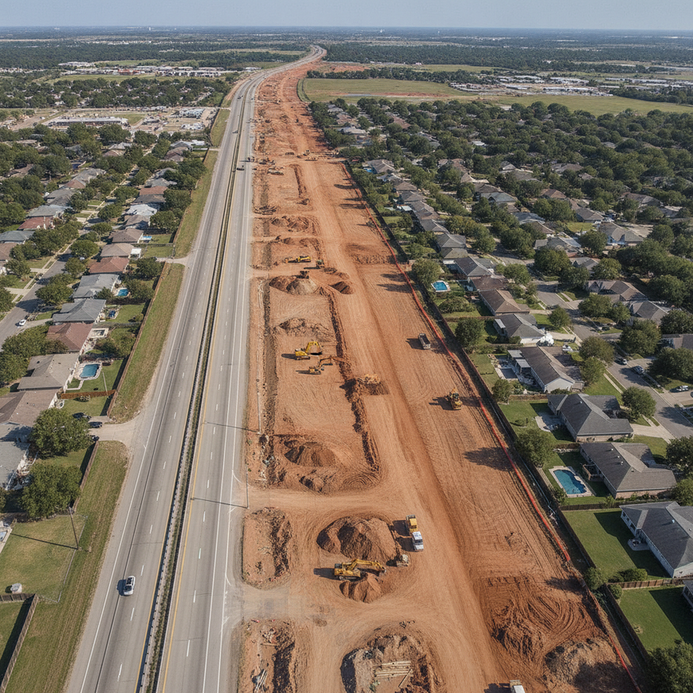
Highway right of way is especially common. When new roads are built or expanded, the government needs wide strips of land for the road itself, shoulders, ditches, and sometimes sidewalks or noise barriers. This can affect both rural and urban property owners. Even small changes, like adding a turn lane, may require the government to acquire extra space from adjacent properties.
How Compensation Works in Right Of Way Acquisition
Compensation is a big concern for property owners. By law, you should receive just compensation for any property taken or damaged. This usually means the fair market value of the land or rights acquired, plus any additional losses the project might cause. For example, if the new right of way makes part of your property less useful, you may be entitled to compensation for that loss too.
The appraisal process is key to determining compensation. You have the right to review the agency’s appraisal, get your own independent appraisal, and negotiate the final amount. If you and the agency disagree, a judge or jury will decide.
Compensation can also include payment for:
- Relocation if your home or business must move.
- Loss of access, such as changes to driveways or entrances.
- Damages to the part of your property not taken, if the project lowers its value.
What to Do If You’re Facing Right Of Way Acquisition
If you find out your property is part of a right of way acquisition, don’t panic. There are practical steps you can take to protect your interests and get the best possible outcome.
Start by reading all notices and paperwork carefully. Keep records of every conversation and document you receive. It’s a good idea to talk with a real estate attorney or another expert who understands eminent domain and right of way acquisition. They can help you understand your rights, negotiate with the agency, and make sure you’re treated fairly.
You also have the right to:
- Attend public meetings about the project.
- Ask questions about the need for the right of way and the impact on your property.
- Challenge the appraisal or offer if you think it’s too low.
- Seek compensation for all damages, not just the land taken.
If you’re unsure about anything, get advice early. Acting quickly can make a big difference.
Common Questions About Right Of Way Acquisition
Ever wondered what happens if you refuse to sell? Or how long the process takes? Here are answers to some of the most frequent questions from property owners.
Can I refuse to sell my property for a right of way?
You can refuse the initial offer, but if the agency has the legal right under eminent domain, they may still acquire the land through court proceedings. You’ll still be entitled to fair compensation.
How long does right of way acquisition take?
It depends on the project. Simple acquisitions might wrap up in a few months, while more complicated cases can take a year or longer, especially if there are disputes over value or necessity.
Will the project affect my taxes or property value?
Losing part of your land may lower your property taxes, but it can also affect the value of what remains. If the right of way makes your property less desirable, you may be entitled to additional compensation.
Do I have to pay for my own appraisal or attorney?
In some cases, the agency may reimburse costs for an independent appraisal or legal fees, but not always. It’s worth asking about this early in the process.
[IMAGE] Aerial view of a highway expansion project showing cleared land and construction equipment, illustrating Right Of Way Acquisition in progress. (Prompt: High-resolution aerial photo of a highway expansion project with visible cleared right of way, construction vehicles, and adjacent residential properties, daytime)
Conclusion
Right of way acquisition can be a complex and sometimes stressful experience for property owners. The good news is that you have rights, including the right to fair compensation and the ability to challenge or negotiate offers. Armed with the right information and support, you can navigate the process with confidence. Contact us to learn more.