If the government takes part of your property for a public project, you might wonder what happens to the rest of your land. Severance damages in California are central to this situation. This guide explains what severance damages are, why they matter, and what you need to know if you find yourself in an eminent domain case.
What Are Severance Damages in California?
Severance damages in California refer to the compensation owed to a property owner when only part of their property is taken by the government, and the remaining land is left with reduced value. This usually happens during eminent domain, which is when the government takes private property for public use, such as roads, schools, or utilities. Severance damages are meant to make up for any loss in value to your remaining property after a partial taking.
Let’s say you own a large lot, and the government takes a strip of it to widen a street. The strip itself is paid for, but what about the rest of your land? If it’s now harder to access, less useful, or even just less appealing to future buyers, that’s where severance damages come in. The law in California is designed to make sure you aren’t left worse off just because a project slices off a portion of your land.
Severance damages are a core part of California’s approach to fairness in eminent domain. The state recognizes that taking only part of a property can sometimes be more disruptive than taking it all. For many owners, the remaining land is no longer as valuable or functional as before, even if it’s technically still theirs.
When Are Severance Damages Awarded?
Severance damages are not automatic in every eminent domain case. They apply only when a partial taking leaves the remaining property in a worse state than before. Courts in California look for a clear connection between the government’s action and the loss in value. If the whole property is taken, severance damages don’t apply at all. The focus is entirely on cases where you keep some land, but that land is now less valuable.
Here are some of the most common situations where severance damages may apply:
- Part of your land is taken, leaving the rest with less access or an unusual shape.
- The remainder becomes noisier, less private, or less appealing due to a new highway, utility line, or other major project.
- New restrictions or uses, like a busy road or retaining wall, make your property less enjoyable or harder to sell.
Imagine a house that suddenly has its front yard cut in half by a new sidewalk. Maybe your driveway is now awkward, or the street noise is much louder. Or maybe a business loses part of its parking, making it tougher for customers to visit. In each case, the property that remains is directly impacted by the government’s project, and that loss is precisely what severance damages are meant to address.
But not every inconvenience qualifies. California law requires that the loss be specific and measurable. General annoyances or broad shifts in the neighborhood usually don’t count. The change has to tie directly to what was taken and how it affects your property, not just the area overall.
How Are Severance Damages Calculated in California?
Calculating severance damages in California can be complex. The basic idea is to measure the difference in market value of your remaining property before and after the partial taking. But this isn’t always straightforward, since many things can affect a property’s value beyond just the loss of square footage.
Here’s how it typically works:
- Appraisers first figure out the fair market value of the whole property before anything is taken. This includes looking at comparable sales, location, usefulness, and any special features your property has.
- Then, they estimate the value of what remains after the government takes its part, considering all the new changes, anything from altered access to new noise, less privacy, or an odd lot shape.
- The difference is the severance damage amount.
For example, suppose your property was worth $500,000 before a partial taking. After a strip is taken for a road expansion, your remaining land is now only worth $440,000 because it’s less accessible and noisier. Severance damages would be $60,000. This is in addition to the payment you get for the land that was actually taken.
Appraisers consider several factors, such as:
- Changes in access (for example, if you have to drive further to reach your own driveway)
- Loss of parking or open space
- Increased noise or traffic
- Reduced privacy due to new roads or sidewalks
- Changes in zoning or land use rules
Sometimes, the government will offer to “cure” the damage by making improvements, like building a new driveway or adding landscaping to block noise. If these fixes genuinely help, they can lower or eliminate severance damages. But if the fix is only partial, or it doesn’t restore the property to its previous usefulness or value, you may still be owed compensation. The government’s proposed solutions are weighed carefully in these cases, and you have the right to challenge whether they actually work.
It’s also important to note that severance damages are always based on fair market value, not sentimental value. The law recognizes only the actual economic loss to your property, not how attached you are to the way things were before.
Types of Impacts That Lead to Severance Damages
Not every change caused by a public project will qualify for severance damages. California law sets some clear boundaries about what does and doesn’t count. The courts are careful: only direct, measurable impacts to your remaining property are considered.
Here are some examples of impacts that can lead to severance damages:
- Reduced access: If your driveway is moved or narrowed, making it harder to park or enter the property.
- Loss of visibility: If a new wall, ramp, or road blocks the view from your home or business, which can be especially damaging for retail locations relying on street visibility.
- Change in shape or size: If what’s left of your property is now awkwardly shaped, making it harder to build, expand, or sell.
- Increased noise or pollution: If your home or business is suddenly much louder, dustier, or less pleasant due to a nearby freeway or construction.
- Zoning or use changes: If the government’s project triggers new restrictions on what you can do with your land, like limits on new building or changes to parking rules.
For instance, if a portion of a shopping center’s parking lot is taken and the loss makes the remaining lot too small for the business’s needs, the value of the center drops. Or if a home loses its backyard and is now only a few feet from a new bus lane, the property can be much less desirable.
On the other hand, certain impacts do not qualify. These include:
- General drops in property values across the neighborhood
- Temporary inconvenience during construction (unless it causes permanent change)
- Subjective issues like personal attachment or dislike of new views
The damage must be direct and specific to your property’s remaining portion. If you’re unsure whether your situation qualifies, it’s smart to talk with an expert familiar with California’s rules.
The Legal Process for Claiming Severance Damages in California
If you think you might be owed severance damages, it helps to understand what happens next. The legal process in California follows a few key steps designed to give you a chance to argue for fair compensation.
- The government (usually a city, county, or state agency) notifies you of the planned taking and makes an initial offer. This offer is supposed to reflect fair market value, including any severance damages they believe apply.
- You have the right to hire your own appraiser to independently evaluate your property. This expert will look at both the value of the land being taken and the loss to what remains. Often, your appraiser may see losses the government’s expert missed.
- If there’s a disagreement, negotiations follow. Each side may bring in their own experts to support their numbers. The government may revise its offer, or you might negotiate to try to reach a settlement.
- If you can’t come to an agreement, the case may go to court. There, a judge or jury will listen to both sides, review the evidence, and decide how much you should be paid, including any severance damages.
Throughout this process, documentation is key. Gather any appraisals, photos, maps, property records, or expert opinions you can. The more evidence you have showing the value lost, such as before-and-after pictures, traffic studies, or letters from customers or neighbors, the stronger your case. Don’t rely just on your word or general complaints.
Legal help can make a big difference. California’s eminent domain laws have strict timelines and specific requirements. Missing a deadline or misunderstanding a rule can hurt your claim. An attorney who understands these cases can help you navigate the process and ensure you present the best possible evidence.
Real-Life Examples of Severance Damages
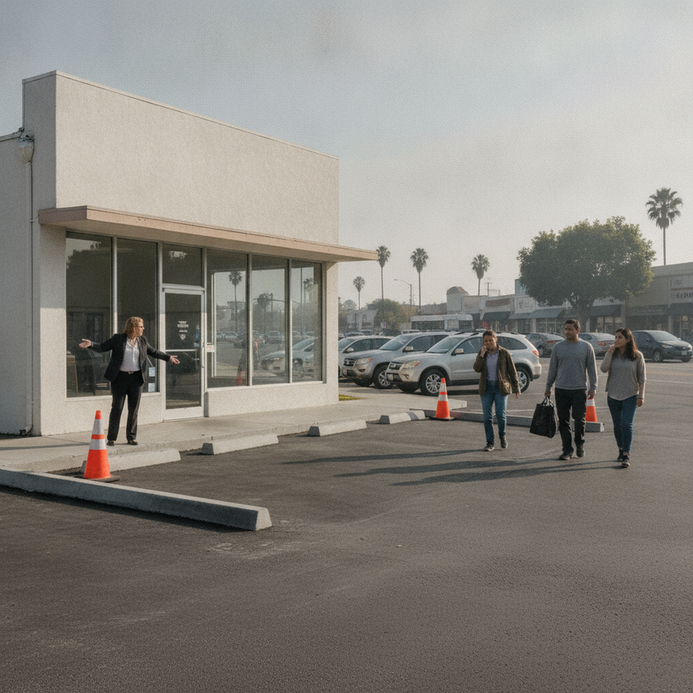
To make all this clearer, let’s look at a couple of examples from real California cases:
Imagine a small business located on a busy street. The city decides to expand the road and takes a strip of the property, eliminating half the parking spaces. The business owner notices a drop in customers because there’s nowhere to park. Not only is the parking lot smaller, but the remaining spaces are harder to access because of curbs and new traffic patterns. The owner can claim severance damages for the drop in business value and inconvenience to customers, as well as for the less desirable layout of the remaining land.